
Hashimoto Encephalopathy (HE) and the Pathway to Long-Term Recovery
What Is Hashimoto Encephalopathy?
Hashimoto Encephalopathy (HE), also known as Steroid-Responsive Encephalopathy Associated with Autoimmune Thyroiditis (SREAT), is a rare neurological disorder linked to autoimmune thyroid disease. In HE, the immune system mistakenly attacks healthy brain tissue, leading to inflammation and reduced blood flow. This inflammation can cause a wide range of neurological symptoms, including seizures, stroke-like episodes, confusion, muscle jerks (myoclonus), difficulty with coordination (ataxia), and changes in behavior or cognition.
Most individuals respond well to early treatment with high-dose corticosteroids, which help calm the autoimmune process. When steroids are not effective, alternative therapies such as IVIG, plasmapheresis, or rituximab may be used to suppress inflammation. Early intervention is critical because prolonged inflammation can damage brain cells and blood vessels.

The Role of HESA
Founded in 2012 by Susan Foley, a dedicated businesswoman, and Nicola Nelson, an environmental attorney, the Hashimoto Encephalopathy SREAT Alliance (HESA) was created to raise awareness, share medical resources, and connect patients and families coping with HE. Through education and advocacy, HESA helps individuals navigate diagnosis, treatment, and management of this complex condition. The organization focuses particularly on helping patients reach the acute treatment phase quickly, where inflammation can be halted or even reversed.
When Acute HE Leads to Chronic Injury
While effective treatment can stop active inflammation, sometimes the autoimmune attack has already caused oxygen deprivation or ischemic injury to parts of the brain. Once brain cells are lost, standard HE medications can no longer restore them. The resulting condition—marked by persistent movement or cognitive symptoms—can resemble Hypoxic-Ischemic Encephalopathy (HIE), a form of chronic brain injury caused by reduced oxygen flow.
In these cases, the diagnosis may be described as Chronic HIE caused by Acute HE. This reflects the transition from an inflammatory autoimmune phase to a residual injury phase—where the brain requires regenerative and rehabilitative support instead of immune suppression.
How BRIGHT Foundation Offers Hope After HE
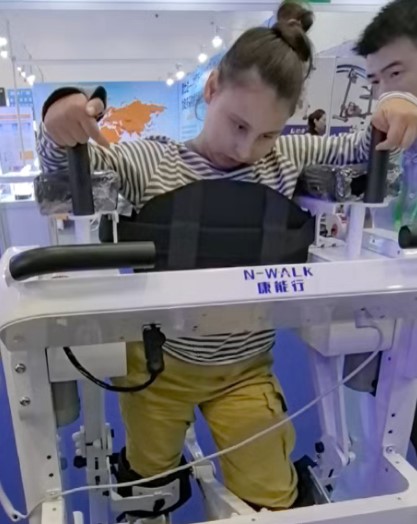
This is where BRIGHT Foundation’s mission begins. BRIGHT’s programs focus on neuro-regeneration, neuro-modulation, and movement-induced plasticity, helping the brain rebuild and rewire networks through targeted therapies and rehabilitation. These techniques aim to promote functional recovery—even long after inflammation has resolved.
By combining HESA’s focus on early recognition and medical treatment with BRIGHT’s expertise in long-term neuroplastic recovery, individuals affected by HE can find a full continuum of care—from acute intervention to chronic rehabilitation. Together, these efforts create a bridge of hope for those living with the lasting effects of autoimmune brain injury.