
BRIGHT and CPCare.org embody Disability Pride Month’s core values of advocacy, peer support, education, and awareness. We are families helping families. As a nonprofit serving families impacted by Cerebral Palsy and Brain Injury, we ask that you join us in honoring children and adults with a disability. So raise your voice, break down barriers, and help build a world where every child and family achieves their maximum potential.
What Is Disability Pride Month?
Disability Pride Month is observed each July to honor the achievements and contributions of people with disabilities while acknowledging the ongoing challenges they face.
The month is rooted in the disability rights movement and coincides with the anniversary of the Americans with Disabilities Act (ADA), signed into law on July 26, 1990, which made it illegal to discriminate based on disability in schools, workplaces, transportation, and public spaces.

Disability Pride affirms the right of every person with a disability to be seen, valued, and included exactly as they are—rejecting narratives of pity or tragedy and celebrating disability as a natural, meaningful part of human diversity.
History of Disability Pride Month
The modern disability rights movement gained momentum in the 1960s and 1970s, drawing inspiration from the broader Civil Rights Movement and leading to landmark actions like the San Francisco 504 Sit-In in 1977.
The first Disability Pride Parade was held in New York City in July 1995, providing a visible celebration of disability identity and solidarity.
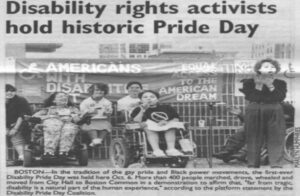
In July 2015—on the 25th anniversary of the ADA—the first official month-long observance of Disability Pride was launched, expanding local parades and events into a nationwide cultural and political movement.
Significance and Themes
Disability Pride Month serves multiple, interrelated purposes:
- Raising public awareness about the barriers—physical, digital, and attitudinal—faced by people with disabilities
- Celebrating the diverse talents and contributions of artists, athletes, activists, and everyday individuals with disabilities
- Advocating for policy and cultural changes that ensure accessibility, equity, and systemic inclusion
- Fostering community building, peer support, and shared storytelling to combat stigma and isolation
- Embracing intersectionality by recognizing how disability identity intersects with race, gender, sexual orientation, and socioeconomic status
Common Events and Activities
Communities around the world host a variety of events during Disability Pride Month to engage, educate, and empower:
| Event Type | Description |
| Parade & Festival | Public gatherings featuring speeches, performances, accessible booths, and community vendors |
| Workshops & Panels | Interactive sessions on disability history, rights, accessible design, and inclusive policymaking |
| Art Exhibitions | Showcases of visual art, film, and performance by artists with lived disability experience |
| Social Media Campaigns | Online storytelling and resource-sharing using hashtags like #DisabilityPride and #ADA25 |
The Path Ahead: From Pride to Justice
While Disability Pride Month highlights identity and visibility, the movement continues evolving toward Disability Justice—a framework that centers intersectional liberation, collective care, and cross-movement solidarity. Advocates like Patty Berne and Mia Mingus emphasize that true inclusion goes beyond legal access to challenge broader systems of oppression, including racism, economic injustice, and gender discrimination.
Looking forward, the disability community and its allies are focusing on:
- Harnessing assistive and inclusive technologies to break down new barriers
- Strengthening global collaboration to share best practices and celebrate diverse cultural approaches to disability pride
- Empowering youth leadership and integrating disability studies into educational curricula
- Deepening intersectional advocacy to ensure policies reflect the full spectrum of lived experiences within the disability community
Whether through a local parade, an art show, a policy forum, or an online campaign, Disability Pride Month invites everyone to celebrate difference, demand equity, and imagine a world designed for all.
